
Reprogramming our Epigenome, Aviation Fuel from Plastic and Drone Delivered Life Jackets at Sea
June 11
This week we discover a new technology that is working to reprogram our epigenome to help cure several diseases. We investigate a new method for generating Aviation Fuel from waste plastic and a program that is using Hydrogen as an Aviation Fuel. Finally we learn about a new drone that can find people that have fallen overboard from larger vessels and deliver them a lifejacket to aid in their survival.
Reprogramming our Epigenome
San Francisco startup NewLimit are working on a technology to help reprogram our epigenome. Every cell in our body has the same DNA code however they use different genes to perform their specific roles. Epigenetic marks on DNA and surrounding proteins control which genes each cell uses. These marks degrade as we age. However it turns out that they can be rewritten using combinations of transcription factor genes.
The team built an AI based system called Ambrosia that learns to design combinations of factors based on their reprogramming data. The system then recommends payloads that are expected to make an old cell look and act young. The team tests the promising predictions experimentally by writing new epigenetic states into old cells. A new molecular screening system tests thousands of hypotheses in parallel.
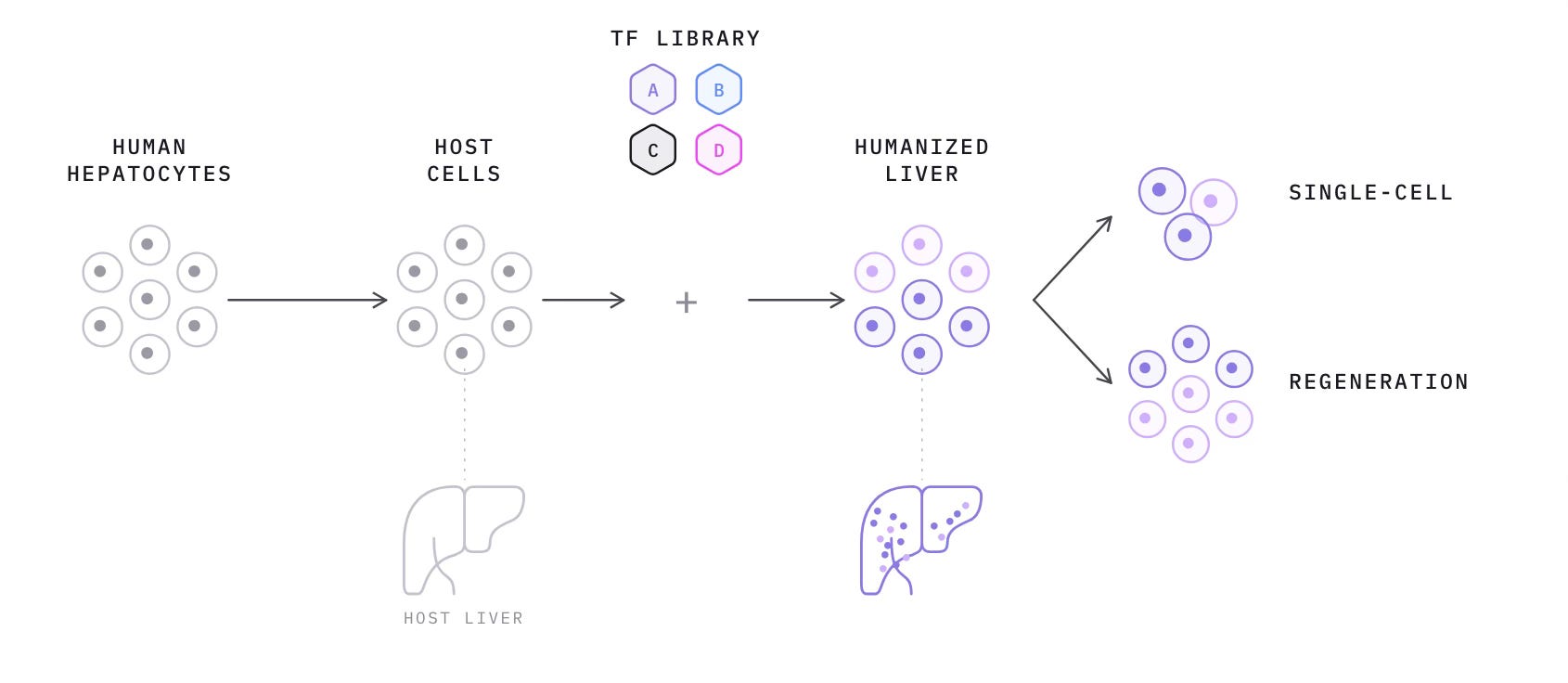
After reprogramming the team reads the effect of each payload on the epigenome. They start by sequencing every cell to generate millions of individual epigenetic profiles. The effect of reprogramming on cell age, identity and function is measured to determine the most effective payload.
NewLimit will begin testing their new technology in Australia in 2027. Their initial focus is on alcohol related liver disease. Approximately 30,000 Americans are killed each year from this disease and about 40% of the population has some degree of fatty liver from alcohol.
The team have shown that their treatment works on alcoholic mice (yes you have to provide them with a lot of alcohol, this is not mice found living in pubs). Beyond the liver, the team are engineering nanoparticles to target blood vessel lining (with a focus on chronic kidney disease) T-cells for autoimmune conditions and eventually the blood brain barrier.
Aviation Fuel from Plastic
There have been a range of technologies that could convert waste plastic into various types of fuel. Whilst effective they were not terribly efficient. One technology that we were working on a decade ago had a cost of about US$45 per barrel. Acquisition costs of the plastic, distribution costs and margin were all on top of that so it was a difficult business to make economic.
A team from a range of institutions in China have developed a process to turn waste plastic into aviation fuel. In short their approach involves breaking down plastic at high temperature in the presence of hydrogen using a newly designed catalyst. The team had found that atomically dispersed ruthenium (Ru) sites in the catalyst materials (a CoAl oxide) could turn styrene to a fuel at a near ambient temperature.
The plastic first passes through a reactor at 460 degrees C where hydrolysis breaks the plastic into smaller molecule intermediates. These vapors then flow over a catalyst bed at 160 C that converts them into a dense, cycloalkane-rich jet fuel.
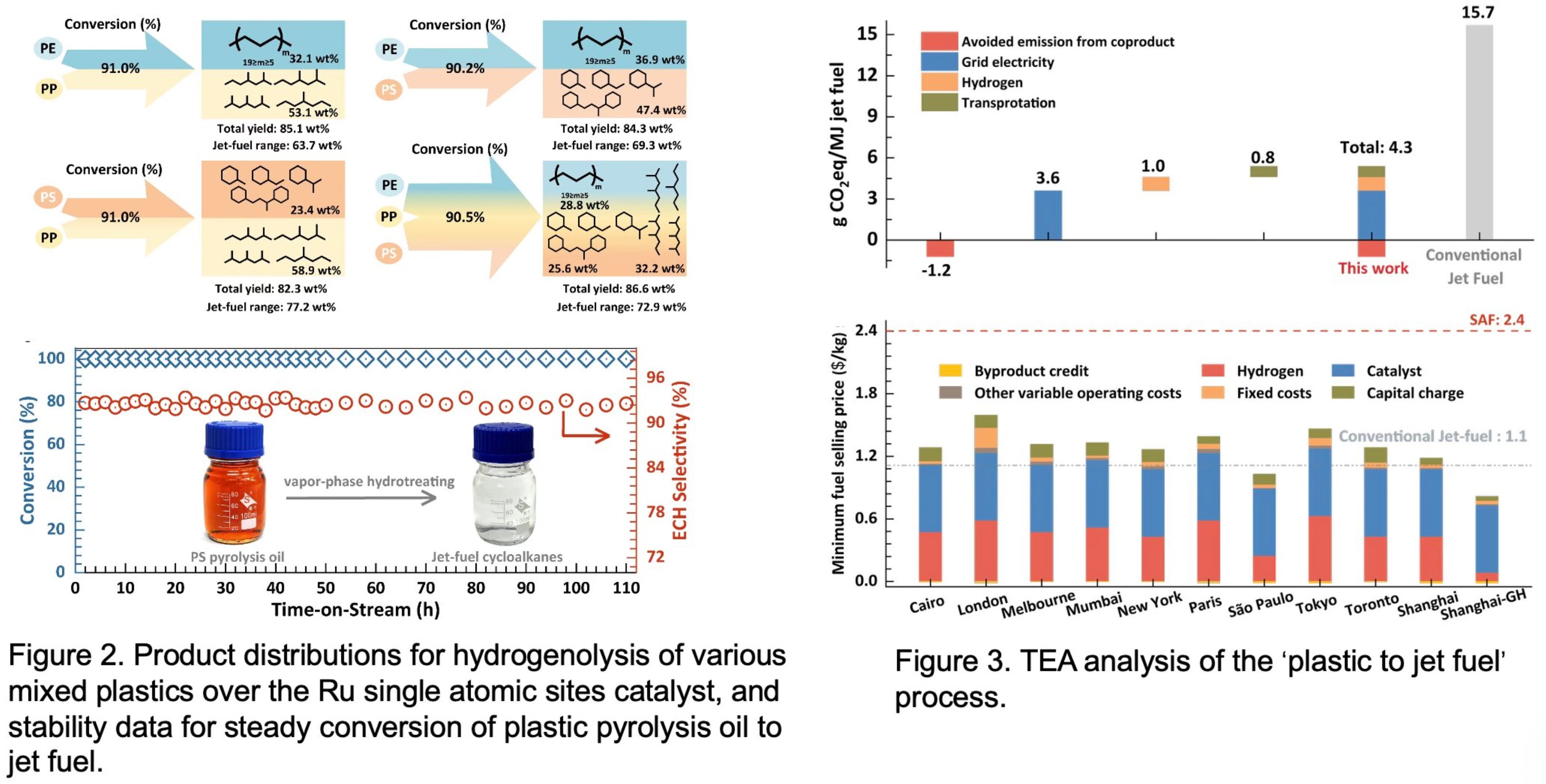
The team found the process could produce jet fuel for US$1 to US$1.80 per kilogram. A genuinely competitive price. Further experiments will be conducted using a wider range of plastics and catalyst preparation will be scaled up to commercial levels.
Hydrogen as Aviation Fuel
A team from Swansea University have completed a four year program lead by Rolls-Royce and easyJet to demonstrate hydrogen as a viable aviation fuel. The result was a modern aero engine running on 100% hydrogen at full take off power.
The diverse team designed, manufactured and installed high flow, high pressure hydrogen control and monitoring systems needed to safely conduct the engine tests. The engine was able to reach full take off thrust and to cycle through an entire flight including cruise and landing.
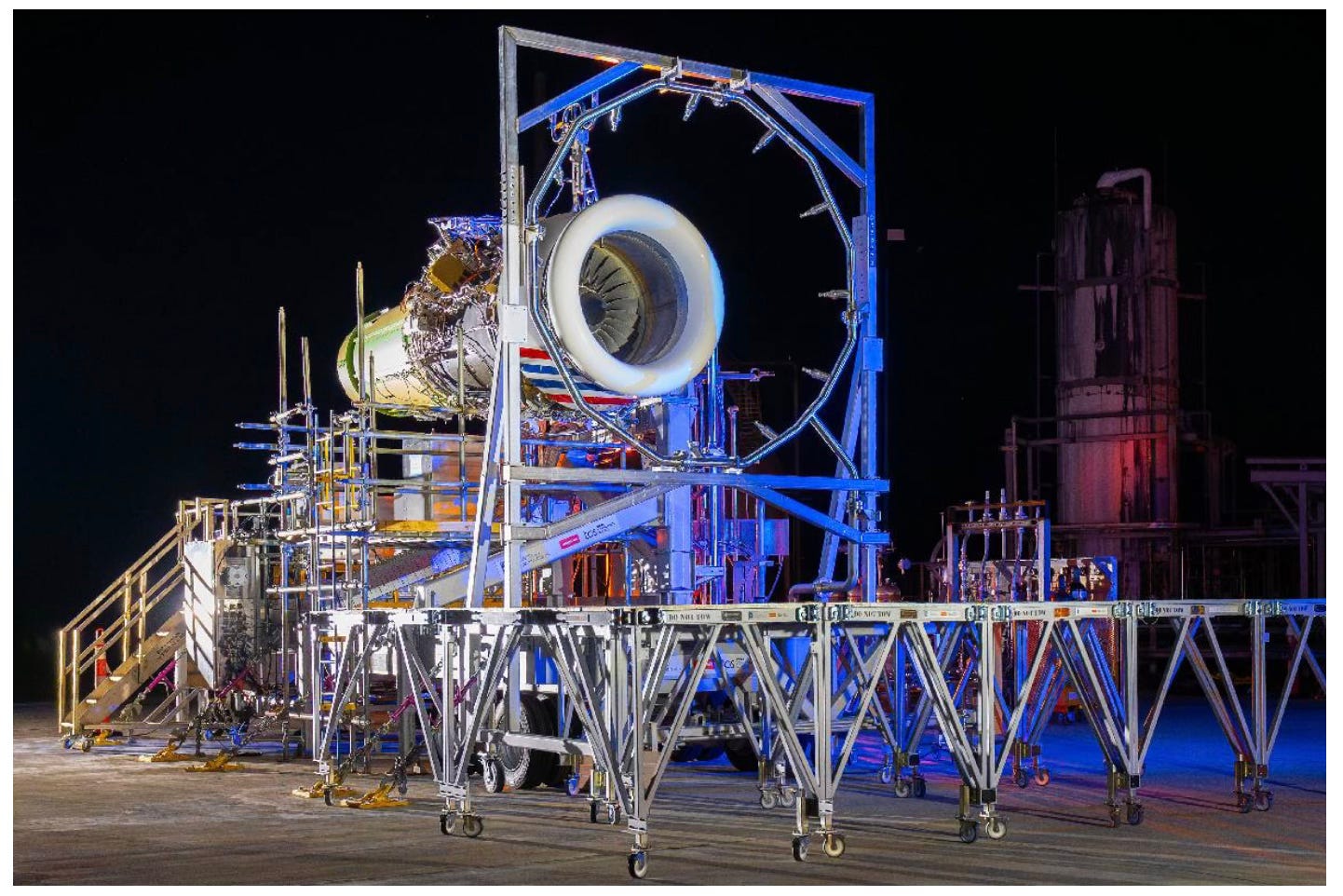
The program was designed to monitor how hydrogen would behave inside a modern aero gas turbine under a wide range of operating conditions. In addition to the full flight cycle, a range of fault scenarios were examined. The work provided a significant step forward in understanding how alternative fuels could power future generations of aircraft.
Life Jackets by Drone
If you fall overboard from a cruise ship or larger boat it is a race against the clock to save you. The chance of you being found before you drown from exhaustion or freeze to death (in the Arctic) dwindles by the minute. Recuse efforts are hampered by the time it takes a vessel to halt so that a rescue boat can be launched. Finding the person in a rough sea is an added complication.
Data from cruise lines between 2009 and 2019 showed that 70% of those that fell overboard perished. At team at Technical University of Denmark have developed a prototype fully automated drone that can be dispatched immediately the alarm is raised from a moving ship.
The drone has three types of cameras so that it can see at night and spot body heat enabling it to spot a person in the water. The intention is for the drone to carry an inflatable life jacket that sends a GPS signal allowing easier rescue.
A life jacket can extend the person’s survival time in 4 to 10 degrees water from 30 to 60 minutes to up to three hours. Survival time depends on a range of factors including the state of the sea and the person’s swimming ability.
The team built a range of algorithms that allow the drone to take off quickly and autonomously pick the best route to search for the likely location a person might have drifted to. The algorithm takes into account the uncertainty of the marine environment and factors in the time that has elapsed since the person fell. Wind and currents and the vessels speed also help to accurately predict the person’s location.
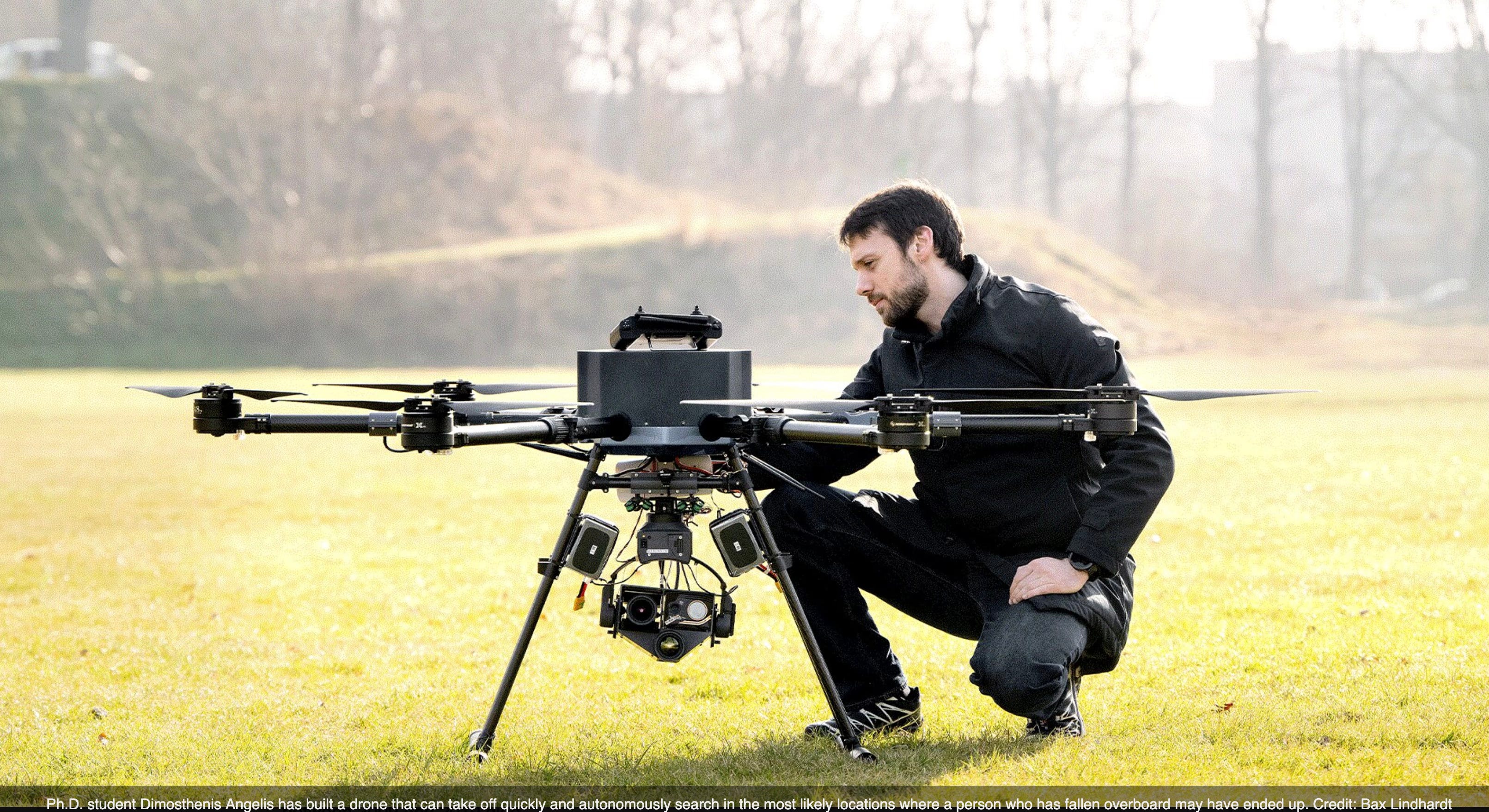
The team have also worked out how to allow the drone to return safely to a moving ship. The drones algorithms allow the drone to land based solely on what the cameras see in real time.
Paying it Forward
If you have a start-up or know of a start-up that has a product ready for market please let me know. I would be happy to have a look and feature the startup in this newsletter. Also if any startups need introductions please get in touch and I will help where I can.
If you have any questions or comments please comment below.
I would also appreciate it if you could forward this newsletter to anyone that you think might be interested or provide a recommendation on Substack.