
Recycling Lithium Batteries, Micro-algae in Architecture and Solving the e-Waste Problem
January 29
This week we discover a new method to recycle lithium-ion batteries with a much higher success rate without the toxic waste produced by current processes. We investigate a new way to use micro-algae in our buildings in hot dry climates that removes carbon from the atmosphere and cools the building. We consider a new solution to all the electronic waste caused when we throw away our old devices. Finally we examine a new thermal conductivity record for a metallic material. This may prove very useful for the many new AI data centers being built around the world.
Recycling Lithium-ion Batteries
One of the big issues with all the lithium-ion batteries being produced for our devices and electric cars is the recyclability of the batteries. Current methods use massive furnaces which consume a lot of energy, lose a lot of the lithium in the process and produce large volumes of liquid toxic waste that often leaches into soil and water.
A team from the Chinese Academy of Sciences and the Beijing Institute of Technology have developed a new three-in-one process to recycle old batteries. The process involves old battery parts being put into a high energy ball mill. This is a specialized grinding machine that rearranges the atoms in the battery material. This grinding forces the lithium to detach from the other metals i.e. nickel and cobalt.
A pressurized mixture of carbon dioxide and water is then added. This removes more than 95% of the lithium, turning it into a high-purity liquid that can be reused. The CO2 used in the process remains within the recycling process rather than being released. The leftover scraps of metal has had their molecular structure altered making them useful catalysts for producing green hydrogen.
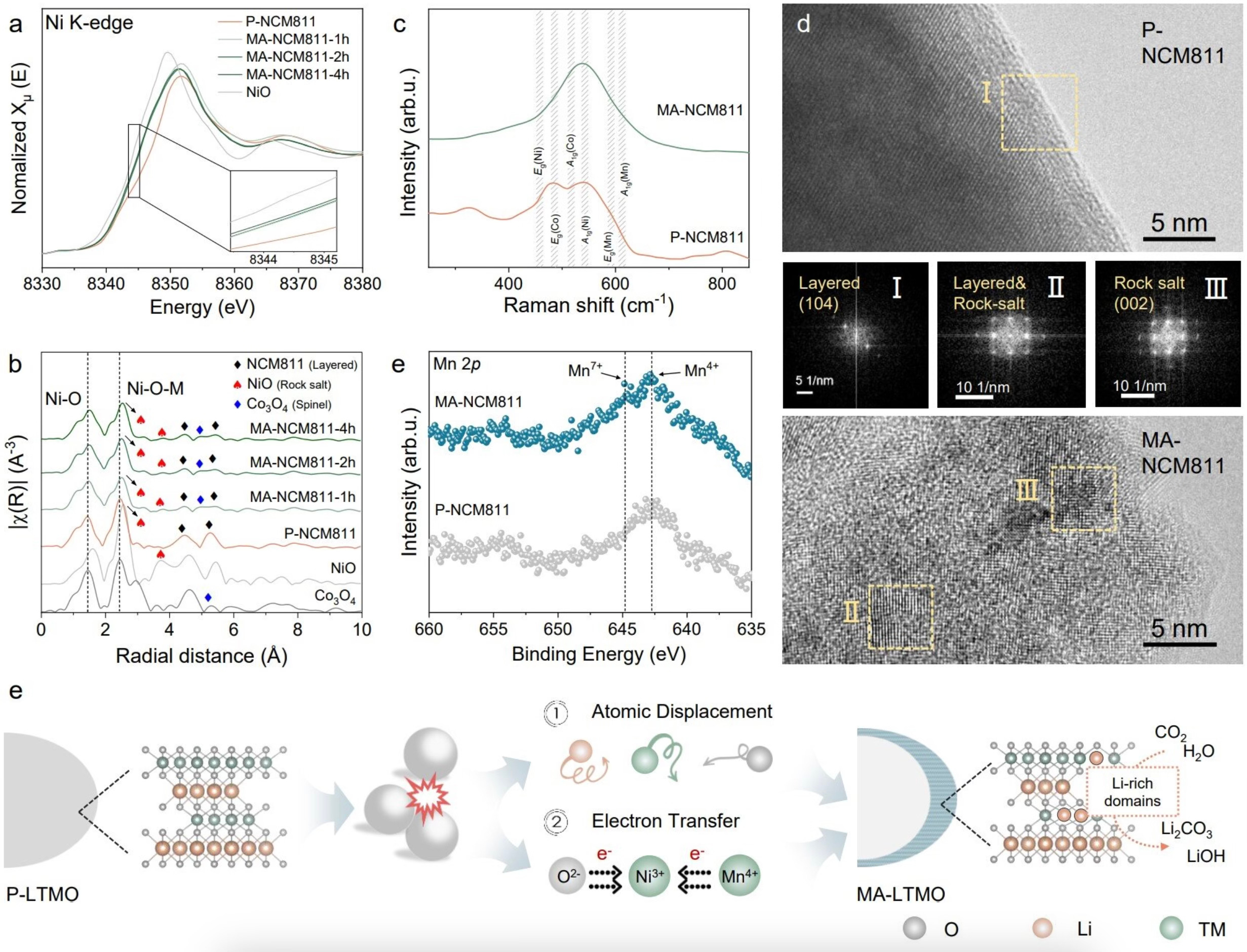
Most of the lithium is able to be recovered from a range of types of batteries. The whole process works at room temperature and under normal pressure. The next step is to scale the process for industrial use.
Using Micro-algae in Architecture
A student at Murdock University’s newly opened Algae Innovation Hub has designed micro-algae filled photobioreactors which can be incorporated into houses, apartments, mining dongas (huts where miners sleep) and other urban designs. These micro-algae designs can remove carbon from the environment at 10 to 50 times the rate of plants and trees. They also provide heat absorption which is important in many hot and dry locations in Western Australia.

Perth and the Western Australian mining regions provide the perfect opportunity for this type of innovation. The weather is very hot and dry, has high solar availability and there is negligible risk of freezing (which will kill the algae). The main benefit is the removal of carbon from the atmosphere however the ability for the systems to absorb heat, particularly in the remote mining regions can significantly reduce indoor heating costs.
The team hopes that the design can be used for more than mining dongas. Urban designs such as bus stops, shelters, garages and the urban streetscapes could benefit. Tubular photobioreactos could be positioned along walkways, building exteriors and in shopping districts. LED lighting could illuminate the green culture at night and create visually engaging public spaces.
An urban tree using the technology can hold 1,500 liters of culture medium and produce 700 liters of oxygen per year whilst removing approximately 1,000kg of CO2. The next step is testing in the real world.
Solving the E-Waste Problem
Electronic waste is a massive and growing problem. An estimated 62 million tons of e-waste was produced in 2022 and that volume is growing rapidly. This waste contains roughly US$62Billion of recoverable resources. Most e-waste is sent to landfills or incinerated. E-waste can contain toxic materials such as mercury or lead, thus requiring more expensive safe disposal.
Aquafade is a UK startup that has developed a water soluble plastic that can replace current plastic materials used in electronics. The product is designed to simply dissolve away in about 6 hours when the computer or device case is opened and placed in water. This makes it easier to recover and recycle the valuable components inside. The disassembly is the most labor intensive and problematic part of the recycling process.
The inspiration for Aquafade came from watching a dishwashing pod dissolve. The water soluble transparent film that replaced the traditional wrappers provided the idea. A material, which is like a glue stick, called polyvinyl alcohol (PVOH) was used. It is food safe (just in case the kids lick any of the parts) and fully biodegradable in the sewerage system.
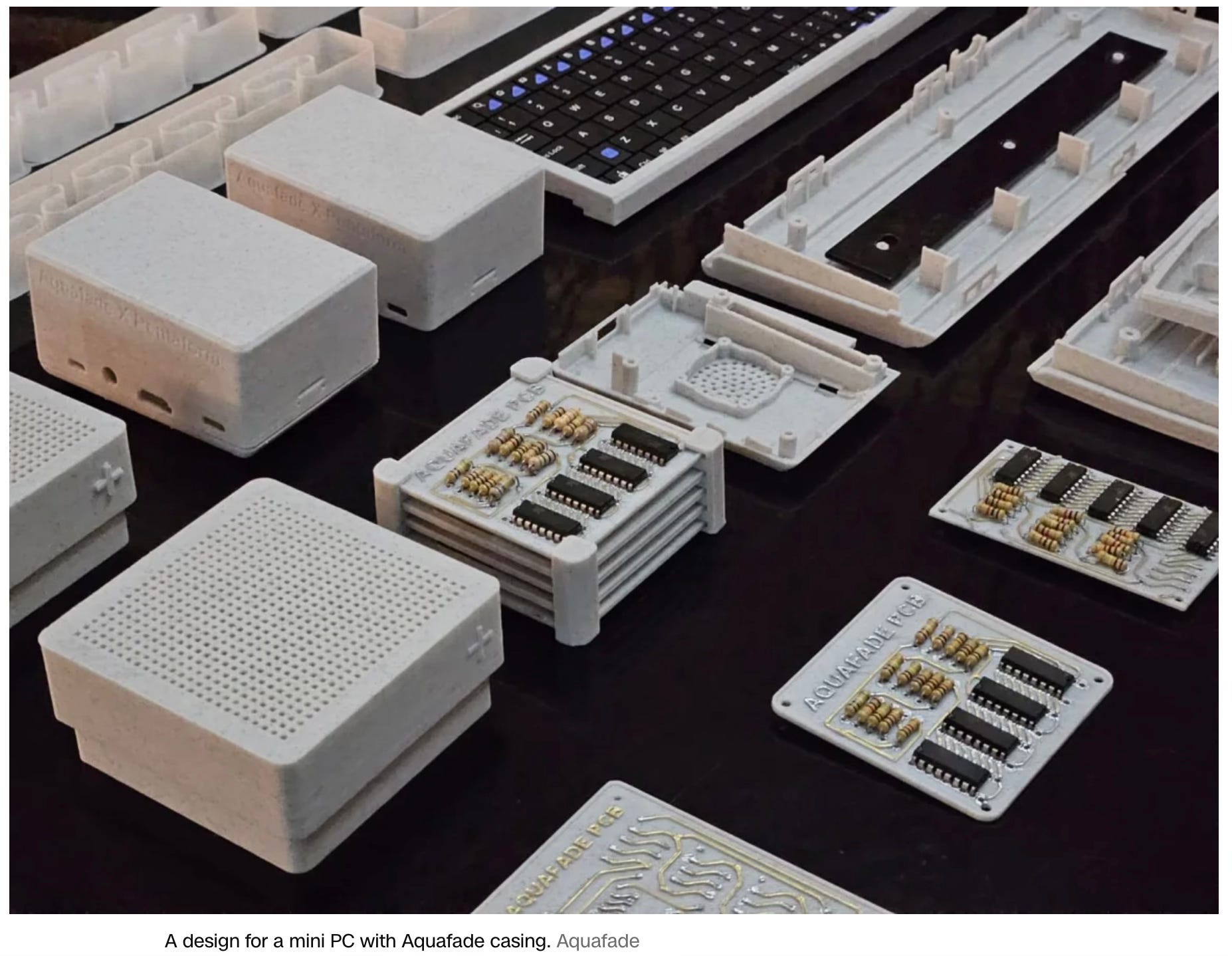
The casing is water soluble but also water proof. The product is water resistant up to 5 meters for 30 minutes. This takes care of accidental water spills or high humidity. When you take a screw off the electronic product a leak is created. You submerge it in water and 5 to 6 hours later you are left with milky water and the most valuable parts of the product (the electronics). Pour the milky water down the sink (it will decompose in the sewerage system).
Further work is needed to ensure that the dissolved product does not form microplastics that persist in the environment. Also some electronic parts need to be fire retardant and very good insulators. The overall lifespan of the product also needs to be sufficient for those of us that use their electronic devices way longer than the manufacturers desire.
A New Thermal Conductivity Record
A team from UCLA have discovered a metallic material with the highest thermal conductivity measured among metals. The team found that metallic theta phase tantalum nitride conducts heat nearly three times for efficiently than copper or silver.
Thermal conductivity describes how efficiently a material can carry heat. These materials are used in our devices to remove localized hotspots. Overheating limits performance, reliability and energy efficiency. Copper is currently the most used heat-sink and has a thermal conductivity of about 400 watts per meter-kelvin (W/mK).
The team found the new material had heat conductivity of approximately 1,100 W/mK. This has redefined what is possible in heat conductivity. As AI technology advances heat dissipation demands are exceeding that of metals such as copper. This discovery could guide the design of the much needed next generation of thermal materials.
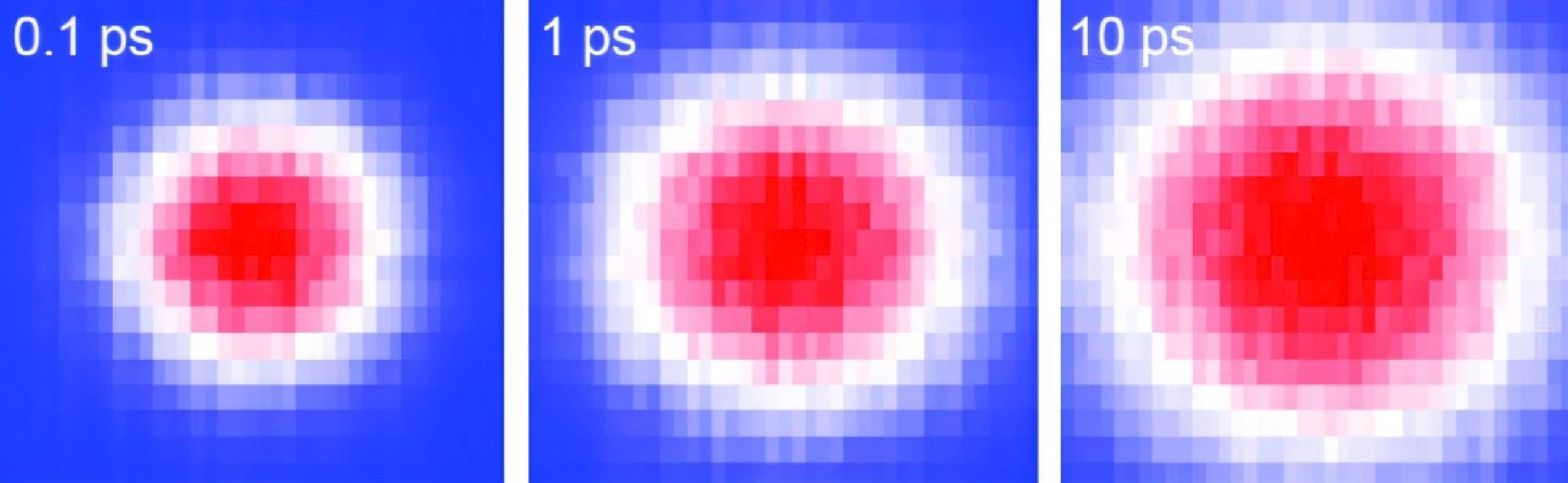
The team’s modeling suggested that the unique atomic structure in which tantalum atoms are interspersed with nitrogen atoms in a hexagonal pattern could exhibit unusually efficient heat conductivity. The material’s performance was confirmed using multiple technologies including synchrotron based X-ray scattering and ultra fast optical spectroscopy.
In addition to microelectronics and AI hardware, the discovery the material may have applications in data centers, aerospace and quantum platforms.
Paying it Forward
If you have a start-up or know of a start-up that has a product ready for market please let me know. I would be happy to have a look and feature the startup in this newsletter. Also if any startups need introductions please get in touch and I will help where I can.
If you have any questions or comments please comment below.
I would also appreciate it if you could forward this newsletter to anyone that you think might be interested or provide a recommendation on Substack.