
Human Eggs from Stem Cells, Why do some Butterflies live much longer than others and Electric Trucks
July 9
This week we discover a new process where human eggs have been created from a simple blood draw. The blood was converted back into stem cells and then into tiny ovaries with human eggs. We investigate a study on some types of butterflies that live up to 25 times longer than their close relatives. We consider the growing market for Electric Trucks and when they might be much more prevalent on our roads. Finally we continue My Journey to Creating Maice, this week, “What is the most important thing to get Started”.
Human Eggs from Stem Cells
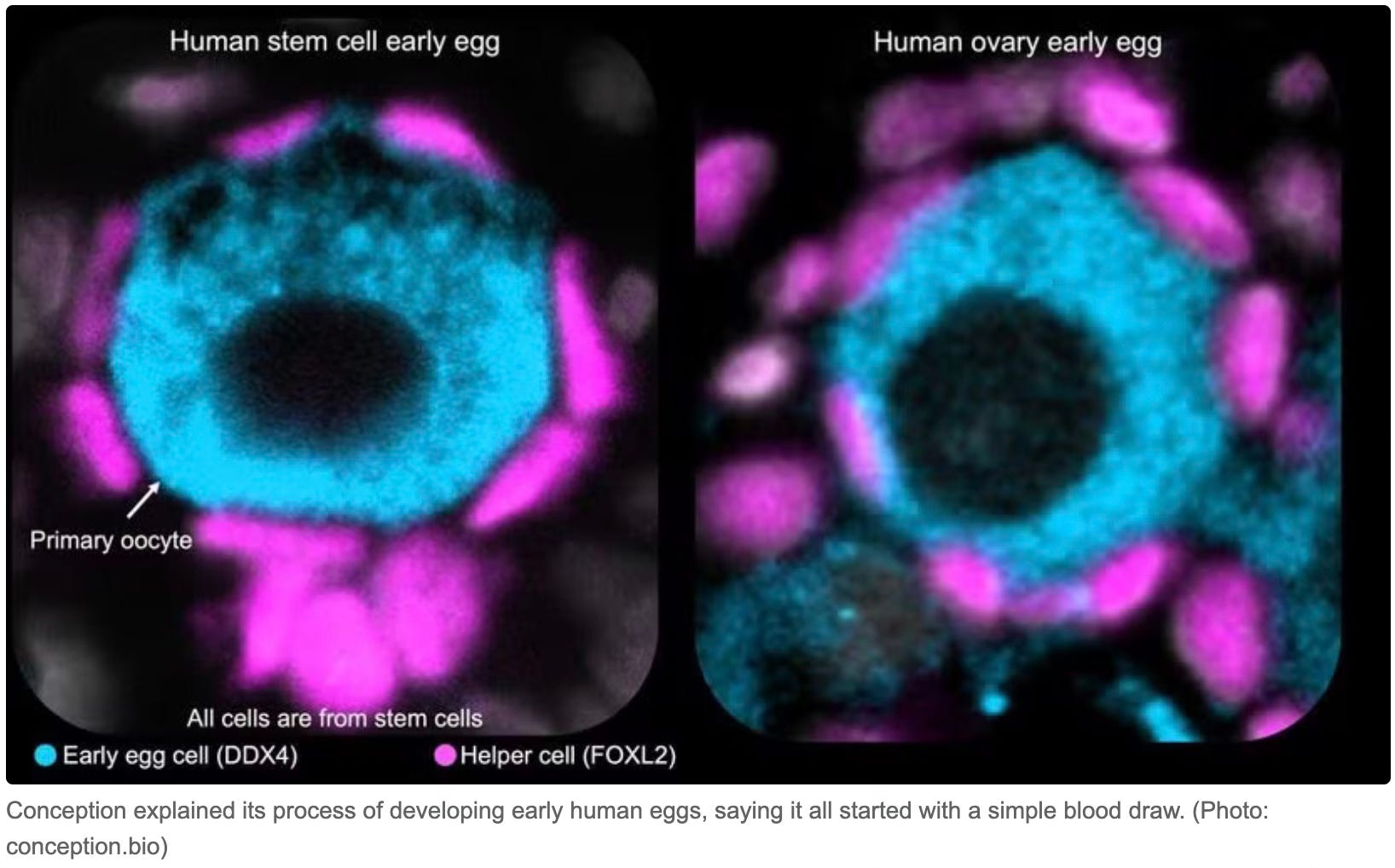
California based startup Conception has created early human egg cells derived from stem cells. A simple blood draw was converted into stem cells and then the team coaxed those cells into becoming miniature human ovaries that contain the early eggs. A lot more work is required to grow these eggs to full maturity (and possibly a long ethical debate) however this is a significant advance in infertility treatment.
The team first converted blood cells into induced pluripotent stem cells (iPSCs), a type of stem cell capable of developing into almost any cell in the body. These cells were then were “guided” toward becoming each of the kinds of cells found in a developing ovary. Primordial germ cells are the cells that will eventually become eggs. Ovarian helper cells are the supporting players that provide essential signals for the eggs.
Together these cells form mini ovaries, small 3 dimensional balls of cells that mimic a true human ovary. The team created thousands of “mini ovaries” containing millions of future egg cells to study, improve and benchmark their development.
If this technique is successfully developed for clinical use, it could expand fertility treatment options. The capability may create freedom from biological and genetic limitations. Women who have age related infertility, cancer survivors and individuals born without functional ovaries may benefit.
How do some Butterflies live 25 times Longer than their Relatives?
Most butterflies live for a few weeks before dying. There are however a few exceptions that live for vastly longer than their relatives. These long lived tropical butterflies are now shedding some secrets relating to longevity.
The Heliconius genus of butterfly from the tropical rainforests of South and Central America have lifespans that vary widely. The Dione juno butterfly lives for 14 days after reaching adulthood whereas the Heliconius hewitsoni lives for 348 days or roughly 25 times longer. Some other Heliconius species live for between 106 to 277 days.
A team from Tufts University in Boston have investigated why this difference exists and if there is anything that we might learn to enhance human longevity. Nutrition was found to have some part to play, these butterflies eat some insects whereas other butterflies eat only carbohydrates.
Most adult butterflies feed exclusively on flower nectar fueled by carbohydrates. When they were caterpillars they fed on amino acids and lipids. These amino acids and lipids are used for reproducing before metamorphosing. The evolutionary strategy is reproduce as much as you can until the resources are spent. This does not take long for small insects.
Most Heliconius species however feed on pollen, even as adults. Pollen also contains lipids which help with energy storage and give a boost to immunity. The team however found that the Heliconius butterflies lived much longer even with pollen withheld from their diet.
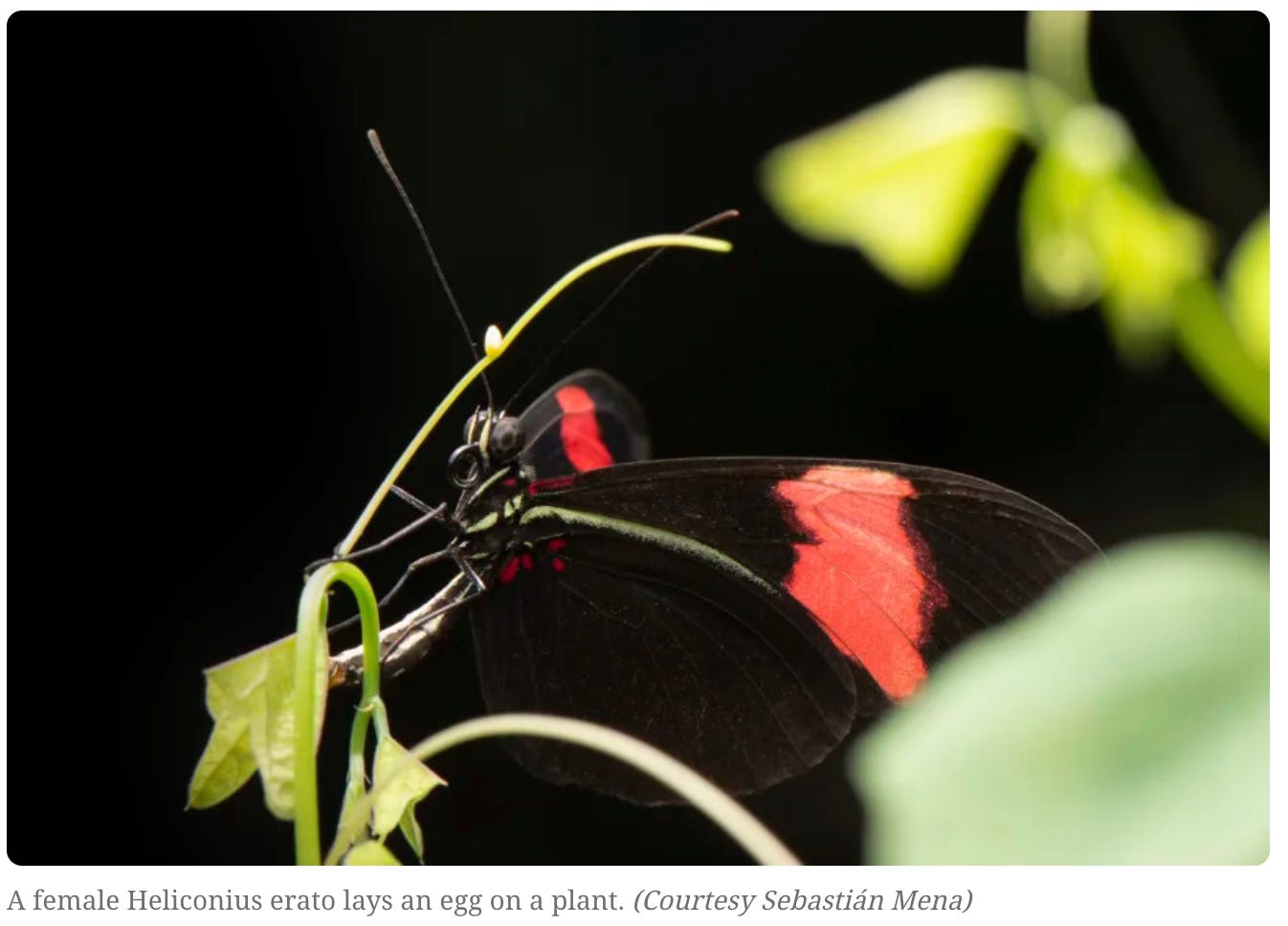
A strength grip test was developed to test the butterflies as they aged. The Heliconius hecale butterfly which lives up to 277 days showed little or no physiological decline in grip strength as they aged. Other relatives who live for 98 days and that don’t feed on pollen showed signs of age related strength decline. The Heliconius maintained body mass and muscle function for longer even if deprived of pollen.
How did the Heliconius evolve these mechanisms of longevity? The team does not yet know. The Heliconius also have large brains and impressive long term memory as they age. Continued study might help uncover the adaptions that slow their aging. These adaptions may have potential applicability to humans. Hopefully they find out sooner rather than later.
Electric Trucks are Coming
Heavy vehicles are less than 10% of the global commercial fleet however they account for 25% of transport related CO2 emissions and associated pollution. Demand is expected to double by 2050. Electric trucks are being adopted in China and parts of Europe. Elsewhere take up is limited. Battery limitations, charging times, grid capacity and infrastructure gaps make electric trucks more difficult to adopt in many places.
In 2025, 8% of trucks sold globally were electric verses 25% of passenger cars. A team from the University of Exeter that studied the uptake of electric vehicles believe that the globe is close to a tipping point where a few additional small nudges will tip the market into a rapid self sustaining change.

Beijing is less than a decade away from having more electric trucks on the road than conventional vehicles. China currently accounts for 80% of electric truck sales where total cost of ownership is now at parity between battery electric and diesel vehicles.
The Iran conflict has increased diesel prices and the interest in electrification significantly. A rapid shift to electric trucks could displace nearly 5 million barrels of oil per day by 2030, this is equivalent to India’s entire daily oil consumption.
Cost parity is not enough however. Three thresholds need to be crossed. Affordability, accessibility and attractiveness. Cites and governments will need to develop policies and infrastructure to enable the transition. Shenzhen banned light diesel vehicles from its Green Logistics Zone in 2018, Mexico City and Rio de Janeiro have installed fast charging hubs. Cities have more power to enable this transition than most of them believe.
My journey to Creating Maice
What is the most important thing you need to get started?
The most important thing that you need prior to getting started on building your vibe coded product is knowing what you want to build. You know your subject area, probably too well. You can see the forest and you know the name of every tree. It is likely, particularly if you are anything like me, that you will try and boil the ocean. You will want to build an everything app that can remove all the pain from the work that you have undertaken over the years.
It can be overwhelming to have so much choice in how you approach this task. When I was thinking of building an app of any type based upon my experience and knowledge it was difficult to decide where I could add value that others couldn’t. Where I could find a niche that others had either overlooked or was too small for the major tech companies to care much about?
Focus is the only cure. You must relentlessly focus. Start as small as possible. You can expand your thinking later if it makes sense. Even with a narrow focus area there is a lot more to create than initially meets the eye.
Start with one work flow or idea. Spend time working on fleshing out that workflow or idea. Write down every step. Do as I did and use an AI as a sounding board. Be careful with their suggestions though. Many suggestions will be good but it will take the AI time to learn your true intent with your product. You will understand the idea better than the AI and the AI will generally reply with what it has learnt in training. This will change as the AI gains experience and knowledge via working with you. When the AI truly understands the intent behind what you are trying to create, they will become much more than an expert coder, they will be an invaluable development partner.
If you wish to try Maice you can try it here and use the code MAICE2mFree for two months free use of the Personal Plan.

Paying it Forward
If you have a start-up or know of a start-up that has a product ready for market please let me know. I would be happy to have a look and feature the startup in this newsletter. Also if any startups need introductions please get in touch and I will help where I can.
If you have any questions or comments please comment below.
I would also appreciate it if you could forward this newsletter to anyone that you think might be interested or provide a recommendation on Substack.